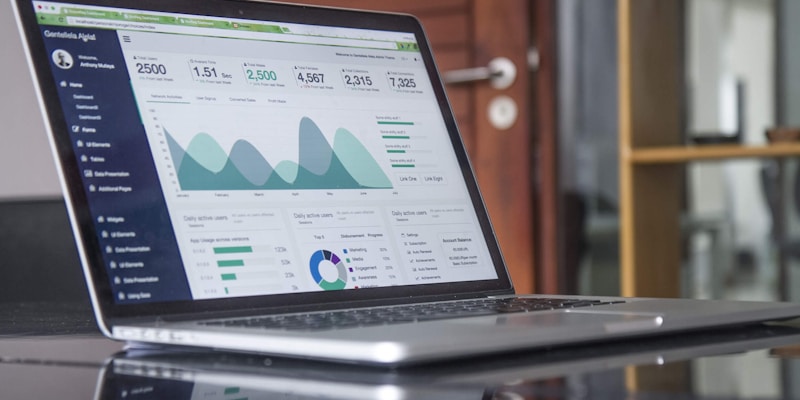
AI-driven store analytics transform retail operations from reactive management to proactive optimization. By using computer vision and advanced analytics to understand every aspect of store operations, retailers can optimize staffing, inventory, energy usage, and customer experience while reducing costs and maximizing profitability.
The Retail Operations Challenge Complex Operational Variables Retail operations involve numerous interdependent variables that must be balanced for optimal performance. Staffing levels, customer traffic, inventory levels, energy usage, and service quality all interact in complex ways.
Operational complexity:
Staffing Optimization: Balancing staff levels with customer demandInventory Management: Maintaining optimal inventory levelsCustomer Flow: Managing customer movement and congestionEnergy Efficiency: Optimizing energy consumptionService Quality: Maintaining consistent service standards Limited Visibility and Insights Retail managers have limited visibility into real-time operations and lack the analytical tools needed to optimize complex systems.
Visibility limitations:
Manual Observation: Limited ability to observe all operations simultaneouslyReactive Management: Responding to problems rather than preventing themIncomplete Data: Missing or incomplete operational dataDelayed Insights: Analysis happens after opportunities are missedSiloed Information: Different systems don't share information effectively Resource Inefficiencies Without comprehensive analytics, retailers often operate with significant resource inefficiencies that increase costs and reduce profitability.
Efficiency challenges:
Overstaffing: Too many staff during slow periodsUnderstaffing: Insufficient staff during busy periodsEnergy Waste: Heating, cooling, and lighting empty spacesInventory Imbalances: Too much or too little inventoryMaintenance Inefficiency: Inefficient maintenance scheduling Customer Experience Gaps Operational inefficiencies directly impact customer experience through long waits, poor service, and uncomfortable environments.
Experience impacts:
Service Delays: Long waits for assistance and checkoutStaff Availability: Difficulty finding available staffEnvironmental Issues: Poor lighting, temperature, or cleanlinessProduct Availability: Out-of-stock products and poor merchandisingNavigation Difficulties: Poor store layout and signage AI Store Analytics Capabilities Real-Time Operational Monitoring AI systems provide comprehensive real-time monitoring of all store operations, enabling immediate identification and response to issues.
Monitoring capabilities:
Customer Traffic Monitoring: Real-time customer count and flowStaff Activity Tracking: Monitor staff deployment and activityService Level Monitoring: Track service quality and response timesEnvironmental Monitoring: Monitor lighting, temperature, and conditionsEquipment Status: Monitor equipment and systems status Operational Pattern Recognition AI systems recognize patterns in operations, identifying optimal practices and areas for improvement.
Pattern analysis:
Traffic Patterns: Identify customer traffic patterns and trendsStaff Performance Patterns: Analyze staff performance patternsService Patterns: Identify optimal service delivery patternsEnergy Usage Patterns: Analyze energy consumption patternsInventory Turnover Patterns: Identify inventory turnover patterns Predictive Analytics Advanced AI systems predict operational needs and issues before they occur, enabling proactive management.
Predictive capabilities:
Traffic Forecasting: Predict customer traffic and demandStaffing Needs: Predict optimal staffing requirementsInventory Needs: Predict inventory requirements and turnoverEnergy Demand: Predict energy consumption needsMaintenance Needs: Predict maintenance requirements Performance Optimization AI systems provide specific recommendations for operational optimization based on data analysis.
Optimization features:
Staffing Recommendations: Optimal staff deployment suggestionsLayout Optimization: Store layout and merchandising recommendationsEnergy Optimization: Energy usage optimization suggestionsService Optimization: Service process improvementsResource Allocation: Optimal resource allocation recommendations Staffing Optimization Demand-Based Staffing AI analytics enable precise staffing based on actual customer demand and operational needs.
Staffing optimization:
Traffic-Based Deployment: Deploy staff based on customer trafficService Level Alignment: Align staffing with service standardsBreak Optimization: Optimize break timing and schedulingCross-Training Utilization: Deploy multi-skilled staff effectivelyCost Optimization: Reduce labor costs while maintaining service Performance Monitoring AI systems monitor staff performance and provide insights for improvement.
Performance monitoring:
Productivity Metrics: Track individual and team productivityService Quality: Monitor service quality and customer satisfactionTask Completion: Track task completion rates and efficiencyCustomer Interaction: Analyze staff-customer interactionsTraining Needs: Identify training and development needs Schedule Optimization AI analytics optimize staff schedules for maximum efficiency and coverage.
Schedule optimization:
Demand-Based Scheduling: Create schedules based on demand patternsFairness Considerations: Ensure schedule fairness and complianceCoverage Optimization: Ensure optimal coverage across all areasFlexibility Management: Manage schedule flexibility and changesCost Management: Optimize scheduling for cost efficiency Task Management AI systems optimize task assignment and completion for operational efficiency.
Task management:
Priority-Based Assignment: Assign tasks based on priority and urgencyWorkload Balancing: Balance workload across staff membersTask Automation: Automate routine tasks where possibleCompletion Tracking: Track task completion and qualityEfficiency Measurement: Measure task completion efficiency Inventory and Merchandising Optimization Inventory Management AI analytics optimize inventory levels and management for maximum efficiency.
Inventory optimization:
Demand-Based Stocking: Stock based on predicted demandTurnover Optimization: Optimize inventory turnover ratesStock Level Monitoring: Monitor real-time stock levelsReorder Optimization: Optimize reorder points and quantitiesShrinkage Reduction: Reduce inventory shrinkage and loss Merchandising Effectiveness AI systems analyze merchandising effectiveness and provide optimization recommendations.
Merchandising analytics:
Display Performance: Measure display and promotion effectivenessProduct Placement: Optimize product placement and adjacenciesCustomer Engagement: Analyze customer engagement with displaysConversion Analysis: Analyze display-to-purchase conversionLayout Optimization: Optimize store layout and flow Supply Chain Integration AI analytics integrate with supply chain systems for comprehensive optimization.
Supply chain integration:
Demand Forecasting: Forecast demand for supply chain planningSupplier Coordination: Coordinate with suppliers based on analyticsDelivery Optimization: Optimize delivery schedules and quantitiesStock Replenishment: Optimize stock replenishment processesCost Optimization: Reduce supply chain and inventory costs Loss Prevention Integration AI systems integrate loss prevention with inventory management for comprehensive protection.
Loss prevention:
Theft Detection: Detect theft and prevent inventory lossShrinkage Analysis: Analyze shrinkage patterns and causesInternal Controls: Implement internal controls and monitoringRecovery Optimization: Optimize loss recovery processesPrevention Strategies: Develop effective prevention strategies Energy and Facility Management Energy Optimization AI systems optimize energy consumption for cost reduction and sustainability.
Energy management:
Occupancy-Based Control: Control systems based on occupancyTime-Based Optimization: Optimize energy use by timeWeather Adaptation: Adjust systems based on weatherEquipment Optimization: Optimize equipment efficiencyCost Reduction: Reduce energy costs significantly Facility Maintenance AI analytics optimize facility maintenance for efficiency and reliability.
Maintenance optimization:
Predictive Maintenance: Predict maintenance needsSchedule Optimization: Optimize maintenance schedulesResource Allocation: Allocate maintenance resources efficientlyCost Management: Reduce maintenance costsReliability Improvement: Improve facility reliability Environmental Monitoring AI systems monitor and optimize environmental conditions for customer comfort and product preservation.
Environmental control:
Temperature Control: Optimize temperature settingsLighting Optimization: Optimize lighting for efficiency and comfortAir Quality: Monitor and improve air qualityComfort Optimization: Optimize customer comfort conditionsSustainability Goals: Support sustainability initiatives Safety and Compliance AI systems ensure safety compliance and risk management.
Safety management:
Safety Monitoring: Monitor for safety hazardsCompliance Tracking: Ensure regulatory complianceRisk Assessment: Assess and mitigate risksIncident Prevention: Prevent safety incidentsEmergency Response: Optimize emergency response systems Customer Experience Optimization Service Optimization AI analytics optimize service delivery for enhanced customer experience.
Service optimization:
Wait Time Reduction: Reduce customer wait timesService Quality: Improve service quality and consistencyStaff Availability: Ensure staff availability when neededPersonalization: Personalize customer serviceSatisfaction Improvement: Increase customer satisfaction Store Environment Optimization AI systems optimize store environment for better customer experience.
Environment optimization:
Layout Improvement: Optimize store layout and navigationAmbiance Control: Optimize store ambiance and atmosphereCleanliness Monitoring: Monitor and maintain cleanlinessComfort Enhancement: Enhance customer comfortAccessibility Improvement: Improve store accessibility Queue Management AI systems optimize queue management for reduced wait times and better service.
Queue optimization:
Queue Length Management: Manage queue lengths effectivelyService Point Optimization: Optimize service point operationsStaff Deployment: Deploy staff to manage queuesWait Time Reduction: Reduce customer wait timesCustomer Flow: Optimize customer flow and movement Feedback Integration AI systems integrate customer feedback for continuous improvement.
Feedback management:
Real-Time Feedback: Collect and analyze real-time feedbackSentiment Analysis: Analyze customer sentimentIssue Resolution: Resolve issues quickly and effectivelyService Improvement: Improve services based on feedbackLoyalty Enhancement: Enhance customer loyalty Implementation Strategy Assessment and Planning Begin with comprehensive assessment of current operations and optimization opportunities.
Assessment elements:
Current State Analysis: Analyze current operational performanceOpportunity Identification: Identify optimization opportunitiesPriority Setting: Set priorities for implementationResource Planning: Plan resources for implementationGoal Setting: Set clear optimization goals Phased Implementation Implement AI analytics gradually to manage change and demonstrate value.
Implementation phases:
Pilot Programs: Start with high-impact pilot programsPerformance Validation: Validate system performanceStaff Training: Train staff on new systemsGradual Expansion: Expand based on successFull Integration: Complete integration with operations Change Management Manage change effectively to ensure successful adoption and utilization.
Change management:
Stakeholder Engagement: Engage stakeholders throughout processCommunication: Communicate changes and benefits clearlyTraining Programs: Provide comprehensive trainingSupport Systems: Provide ongoing supportSuccess Celebration: Celebrate and communicate successes Continuous Optimization Implement processes for continuous optimization and improvement.
Continuous improvement:
Performance Monitoring: Monitor system performanceUser Feedback: Collect and act on user feedbackSystem Updates: Update systems regularlyProcess Refinement: Refine processes based on experienceInnovation Integration: Integrate new innovations Benefits and ROI Operational Efficiency Gains AI analytics deliver significant operational efficiency improvements.
Efficiency benefits:
Staff Productivity: 20-30% improvement in staff productivityEnergy Efficiency: 25-35% reduction in energy costsInventory Efficiency: 30-40% improvement in inventory turnoverMaintenance Efficiency: 40-50% improvement in maintenance efficiencyOverall Efficiency: 15-25% improvement in overall efficiency Cost Reduction AI systems deliver significant cost reductions across operations.
Cost benefits:
Labor Cost Reduction: 15-25% reduction in labor costsEnergy Cost Reduction: 20-30% reduction in energy costsInventory Cost Reduction: 25-35% reduction in inventory costsMaintenance Cost Reduction: 30-40% reduction in maintenance costsTotal Cost Reduction: 10-20% reduction in total operational costs Revenue Enhancement Operational improvements directly impact revenue and profitability.
Revenue benefits:
Sales Increase: 5-15% increase in salesCustomer Retention: 10-20% improvement in customer retentionTransaction Value: 10-15% increase in average transaction valueConversion Rates: 15-25% improvement in conversion ratesProfit Margins: 5-10% improvement in profit margins Customer Experience Improvements Operational optimization significantly enhances customer experience.
Experience benefits:
Satisfaction Scores: 20-30% improvement in satisfaction scoresWait Time Reduction: 40-50% reduction in wait timesService Quality: 25-35% improvement in service quality ratingsNet Promoter Score: 15-25% improvement in NPSLoyalty Metrics: 20-30% improvement in loyalty metrics Conclusion AI-driven store analytics transform retail operations from reactive management to proactive optimization. The technology provides the visibility, insights, and predictive capabilities needed to optimize every aspect of store operations while reducing costs and enhancing customer experience.
The benefits extend beyond simple efficiency gains to include cost reduction, revenue enhancement, customer experience improvement, and competitive advantage. Retailers that implement AI store analytics gain significant advantages in operational excellence, profitability, and customer satisfaction.
Success requires thoughtful implementation, staff engagement, and integration with existing systems. The technology must support operational goals while enhancing customer experience and employee satisfaction.
As AI technology continues to advance, store analytics capabilities will become even more sophisticated, providing deeper insights and more powerful optimization tools. Retailers that invest in AI store analytics now will be well-positioned to leverage future improvements while maintaining superior operational performance and customer experience.
The key is to view AI store analytics not just as a technology solution, but as a strategic approach to operational excellence that transforms how retailers manage their stores, serve their customers, and achieve their business objectives. This perspective enables retailers to create highly efficient, customer-centric operations that thrive in competitive retail environments.
Exploring AI analytics for a privacy-sensitive environment? visibel.ai can help design an edge-first architecture that fits your governance needs.
Explore Solutions