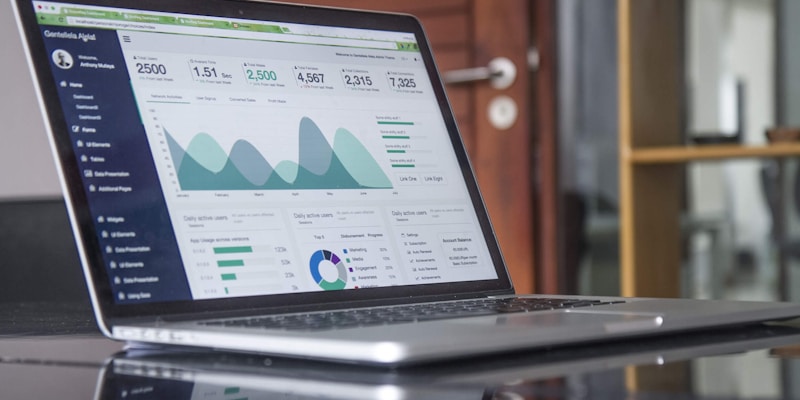
AI-powered people counting and occupancy analytics transform space utilization from guesswork to data-driven optimization. By using computer vision to accurately count people, track movement patterns, and analyze occupancy trends, commercial spaces can optimize staffing, improve customer experience, maximize revenue per square foot, and ensure compliance with occupancy regulations.
The People Counting Challenge in Commercial Spaces
Accuracy and Reliability Issues
Traditional people counting methods suffer from accuracy problems that undermine their usefulness for business decisions. Manual counting is labor-intensive and inconsistent, while traditional sensors have technical limitations.
Accuracy challenges:
- Manual Counting Errors: Human counters make mistakes, especially during busy periods
- Sensor Limitations: Infrared and beam sensors miss people or count multiple times
- Environmental Factors: Lighting, weather, and obstructions affect accuracy
- Maintenance Issues: Sensors require frequent calibration and maintenance
- Cross-Counting: Difficulty distinguishing between entering and exiting traffic
Limited Insights and Analytics
Basic counting systems provide numbers but lack the analytical depth needed for modern space optimization. They don't reveal patterns, trends, or relationships between occupancy and business performance.
Insight limitations:
- Raw Numbers Only: Provide counts without context or analysis
- No Pattern Recognition: Cannot identify patterns or trends
- Limited Historical Data: Poor historical data storage and analysis
- No Predictive Capability: Cannot predict future occupancy patterns
- Limited Integration: Poor integration with other business systems
Operational Inefficiencies
Without accurate occupancy data, commercial spaces operate with inefficient staffing, poor space utilization, and missed revenue opportunities.
Operational challenges:
- Staffing Mismatches: Overstaffing during slow periods, understaffing during peaks
- Space Underutilization: Poor utilization of available space
- Energy Waste: Heating, cooling, and lighting empty spaces
- Maintenance Scheduling: Inefficient maintenance based on usage patterns
- Revenue Optimization: Missed opportunities for revenue optimization
Customer Experience Impact
Poor occupancy management directly affects customer experience through crowding, long waits, and inadequate service.
Customer experience issues:
- Overcrowding: Crowded spaces during peak periods
- Service Delays: Long waits due to understaffing
- Poor Layout: Inefficient space layout and flow
- Safety Concerns: Overcrowding creates safety risks
- Reduced Satisfaction: Poor experience reduces customer satisfaction
AI People Counting Capabilities
Highly Accurate Counting
AI systems provide highly accurate people counting using advanced computer vision algorithms that can distinguish individuals, handle crowds, and work in various conditions.
Counting features:
- Individual Detection: Accurate detection of individual people
- Crowd Handling: Accurate counting in crowded environments
- Direction Detection: Distinguish between entering and exiting traffic
- Multiple Entry Points: Simultaneous counting at multiple entrances
- Real-Time Accuracy: 95-99% accuracy in real-world conditions
Demographic Analysis
Advanced AI systems can analyze demographic information while maintaining privacy, providing insights into customer profiles and behavior patterns.
Demographic capabilities:
- Age Group Analysis: Estimate age demographics of visitors
- Gender Analysis: Analyze gender distribution when appropriate
- Group Size Analysis: Analyze group sizes and composition
- Visitor Profiling: Create anonymized visitor profiles
- Behavior Patterns: Analyze behavior by demographic segments
Path Tracking and Flow Analysis
AI systems can track movement paths and analyze flow patterns to optimize space layout and customer journey.
Tracking capabilities:
- Movement Paths: Track common movement paths through spaces
- Dwell Time Analysis: Measure how long people stay in areas
- Flow Patterns: Analyze traffic flow and bottlenecks
- Zone Transitions: Track movement between different zones
- Journey Mapping: Map customer journeys through spaces
Queue and Wait Time Analysis
AI systems can analyze queues and wait times, providing insights for service optimization and customer experience improvement.
Queue analysis features:
- Queue Length Detection: Automatically detect queue lengths
- Wait Time Calculation: Calculate actual and perceived wait times
- Service Rate Analysis: Analyze service rates and efficiency
- Abandonment Detection: Detect when customers abandon queues
- Service Optimization: Identify opportunities for service improvement
Occupancy Analytics and Insights
Real-Time Occupancy Monitoring
AI systems provide real-time occupancy data for immediate operational decisions and customer experience management.
Real-time features:
- Live Occupancy Counts: Real-time people counts by area
- Occupancy Rates: Calculate occupancy as percentage of capacity
- Capacity Alerts: Alert when approaching or exceeding capacity
- Distribution Analysis: Show how people are distributed across spaces
- Traffic Flow Monitoring: Monitor real-time traffic patterns
Historical Trend Analysis
Comprehensive historical analysis reveals patterns, trends, and seasonality in occupancy and visitor behavior.
Historical analytics:
- Time-Based Trends: Analyze patterns by hour, day, week, month
- Seasonal Patterns: Identify seasonal variations in occupancy
- Event Impact Analysis: Measure impact of events and promotions
- Year-over-Year Comparison: Compare current performance to previous periods
- Growth Trends: Identify long-term growth or decline trends
Predictive Analytics
Advanced AI systems can predict future occupancy based on historical patterns, external factors, and current conditions.
Predictive capabilities:
- Demand Forecasting: Predict future occupancy and demand
- Staffing Needs: Predict optimal staffing requirements
- Resource Planning: Plan resource needs based on predictions
- Revenue Forecasting: Forecast revenue based on expected traffic
- Capacity Planning: Plan for capacity needs and expansions
Space Utilization Optimization
AI analytics provide insights for optimizing space utilization and layout for maximum efficiency and customer experience.
Optimization insights:
- Utilization Rates: Measure space utilization by area and time
- Layout Efficiency: Analyze layout efficiency and customer flow
- Hotspot Identification: Identify high-traffic and low-traffic areas
- Layout Recommendations: Recommend layout improvements
- Performance Benchmarking: Benchmark performance across areas
Operational Applications
Staffing Optimization
AI-powered occupancy data enables precise staffing optimization based on actual customer traffic and service needs.
Staffing applications:
- Demand-Based Staffing: Align staffing with actual customer demand
- Break Scheduling: Optimize break timing based on traffic patterns
- Cross-Training Deployment: Deploy multi-skilled staff where needed
- Performance Monitoring: Monitor staff performance relative to traffic
- Labor Cost Optimization: Reduce labor costs while maintaining service
Energy Management
Occupancy data enables smart energy management, reducing costs while maintaining comfort and safety.
Energy applications:
- HVAC Optimization: Adjust heating/cooling based on occupancy
- Lighting Control: Optimize lighting based on area usage
- Equipment Scheduling: Schedule equipment operation based on demand
- Energy Cost Reduction: Reduce energy waste in unused areas
- Sustainability Goals: Support sustainability and green building initiatives
Safety and Compliance Management
AI occupancy monitoring helps ensure safety compliance and emergency preparedness.
Safety applications:
- Capacity Compliance: Ensure compliance with occupancy limits
- Emergency Evacuation: Support emergency evacuation planning
- Crowd Management: Prevent overcrowding and safety risks
- Social Distancing: Maintain appropriate social distancing
- Regulatory Reporting: Generate compliance reports for regulators
Marketing and Promotion Optimization
Occupancy analytics help optimize marketing efforts and promotional activities for maximum impact.
Marketing applications:
- Campaign Effectiveness: Measure impact of marketing campaigns
- Promotion Timing: Optimize promotion timing based on traffic
- Customer Segmentation: Understand customer segments and behavior
- Conversion Analysis: Analyze conversion rates by traffic patterns
- ROI Measurement: Measure marketing ROI and effectiveness
Implementation Considerations
Camera Placement Strategy
Strategic camera placement is crucial for accurate people counting and comprehensive coverage.
Placement considerations:
- Entry Points: Cover all entrances and exits
- Height and Angle: Optimal camera height and viewing angles
- Lighting Conditions: Ensure adequate lighting for accurate detection
- Field of View: Maximize coverage while avoiding obstructions
- Overlap Coverage: Ensure coverage overlap for accuracy
Privacy Protection
Balance occupancy analytics with privacy protection through thoughtful system design.
Privacy measures:
- Anonymization: Anonymize personal data while preserving insights
- Data Minimization: Collect only necessary occupancy data
- Secure Storage: Implement secure data storage and transmission
- Policy Compliance: Ensure compliance with privacy regulations
- Transparent Communication: Communicate monitoring practices to visitors
Integration with Existing Systems
Integrate AI occupancy analytics with existing business systems for maximum value.
Integration points:
- Building Management: Connect with BMS and building automation
- Staff Management: Integrate with workforce management systems
- Point of Sale: Connect with POS systems for correlation analysis
- Marketing Platforms: Integrate with marketing and CRM systems
- Analytics Platforms: Connect with business intelligence systems
Calibration and Validation
Regular calibration and validation ensure continued accuracy and reliability.
Validation processes:
- Regular Calibration: Calibrate systems for continued accuracy
- Manual Verification: Periodic manual count verification
- Performance Monitoring: Monitor system performance over time
- Accuracy Testing: Regular accuracy testing and validation
- Model Updates: Update AI models for improved performance
Industry-Specific Applications
Retail and Shopping Centers
Retail environments use occupancy analytics for store optimization, marketing, and customer experience improvement.
Retail applications:
- Store Performance: Compare performance across store locations
- Marketing Effectiveness: Measure marketing campaign impact
- Layout Optimization: Optimize store layout and product placement
- Staff Deployment: Optimize staff deployment across store areas
- Customer Journey: Analyze and optimize customer journeys
Office Buildings
Office buildings use occupancy analytics for space optimization, energy management, and facility operations.
Office applications:
- Space Utilization: Optimize office space utilization
- Energy Management: Reduce energy costs through smart controls
- Facility Services: Optimize cleaning and maintenance schedules
- Safety Compliance: Ensure compliance with occupancy regulations
- Workplace Strategy: Inform workplace strategy and planning
Restaurants and Food Service
Restaurants use occupancy analytics for table management, staffing, and customer experience optimization.
Restaurant applications:
- Table Turnover: Optimize table turnover and seating
- Waitlist Management: Improve waitlist and reservation management
- Staff Optimization: Optimize server and kitchen staffing
- Menu Optimization: Analyze menu performance by traffic patterns
- Customer Experience: Enhance overall dining experience
Entertainment Venues
Entertainment venues use occupancy analytics for crowd management, safety, and revenue optimization.
Entertainment applications:
- Crowd Management: Manage crowd density and flow
- Safety Compliance: Ensure compliance with safety regulations
- Revenue Optimization: Optimize pricing and capacity utilization
- Guest Experience: Enhance overall guest experience
- Staff Deployment: Optimize staff deployment across venues
Benefits and ROI
Operational Efficiency Gains
AI occupancy analytics creates significant operational efficiencies and cost savings.
Efficiency benefits:
- Staff Optimization: 15-25% improvement in staff utilization
- Energy Savings: 20-30% reduction in energy costs
- Maintenance Efficiency: 25-35% improvement in maintenance efficiency
- Resource Optimization: Better utilization of all resources
- Cost Reduction: 10-20% reduction in operational costs
Revenue Enhancement
Better occupancy management directly impacts revenue through optimization and improved customer experience.
Revenue benefits:
- Increased Sales: 5-15% increase in sales through optimization
- Higher Conversion: Improved conversion rates
- Better Pricing: Optimize pricing based on demand
- Customer Retention: Improved customer retention and loyalty
- Market Expansion: Identify opportunities for market expansion
Customer Experience Improvements
Occupancy analytics significantly improves customer experience and satisfaction.
Customer benefits:
- Reduced Wait Times: 20-40% reduction in wait times
- Better Service: More consistent and responsive service
- Improved Comfort: Better crowd management and comfort
- Enhanced Safety: Improved safety and security
- Higher Satisfaction: 20-30% improvement in satisfaction scores
Strategic Business Value
Occupancy analytics provides strategic business value beyond immediate operational benefits.
Strategic benefits:
- Data-Driven Decisions: Better business decisions based on data
- Competitive Advantage: Competitive advantage through optimization
- Risk Mitigation: Better risk management and compliance
- Growth Enablement: Enable strategic growth and expansion
- Innovation Support: Support business innovation and transformation
Conclusion
AI-powered people counting and occupancy analytics transform how commercial spaces understand and optimize their operations. The technology provides the accuracy, insights, and real-time capabilities needed to move from reactive management to proactive optimization.
The benefits extend beyond simple counting to include operational efficiency, revenue enhancement, customer experience improvement, and strategic business value. Commercial spaces that implement AI occupancy analytics gain significant advantages in efficiency, profitability, and customer satisfaction.
Success requires thoughtful implementation, privacy protection, and integration with existing systems. The technology must support business objectives while respecting customer and employee privacy.
As AI technology continues to advance, occupancy analytics capabilities will become even more sophisticated, providing deeper insights and more powerful optimization tools. Organizations that invest in AI occupancy analytics now will be well-positioned to leverage future improvements while maintaining optimal space utilization and operational excellence.
The key is to view AI occupancy analytics not just as a counting tool, but as a strategic approach to space management that enhances business performance, customer experience, and operational efficiency. This perspective enables organizations to transform their spaces from static environments to dynamic, optimized assets that drive business success.
Exploring AI analytics for a privacy-sensitive environment? visibel.ai can help design an edge-first architecture that fits your governance needs.
Explore Solutions